
What Life in Fort Collins Is Actually Like
Life in Fort Collins is the mountains, the breweries, and the sunshine you have seen in every highlight reel, and all of that is real, but it is not the whole picture. The honest version includes dry air that goes through your lip balm, spring wind that relocates your patio furniture, Front Range hail that can total a roof, and a monthly house payment that often runs higher than the price tag suggests. It also includes a town that genuinely lives outside, a downtown people drive hours to visit, and a quality of life that keeps people here once they arrive. This is the eyes-open guide: the weather, a real year season by season, the everyday rhythm, the money, where to actually live, and who should look somewhere else. If this is part of your research into moving to Fort Collins, read it before you fall in love with a house.
Table of Contents
What Life in Fort Collins Is Actually Like At a Glance
| Part of Life | What It’s Actually Like | Verdict |
|---|---|---|
| Weather | 300-plus sunny days, but dry air, spring wind, and Front Range hail | ⚠️ Plan for it |
| Lifestyle | Outdoor-first, walkable Old Town, breweries, CSU energy | ✅ The draw |
| Home prices | Median around $560,000, well above the national number | ⚠️ Budget carefully |
| Monthly cost | Insurance, taxes, and metro districts can outrun the sticker price | ⚠️ Check the real payment |
| Pace | A real town, not a big city; Denver is about an hour south | ✅ The point for most |
The Weather Nobody Warns You About
The first thing nobody warns you about is the air. Fort Collins sits at about 5,000 feet and it is dry, so your skin and lips notice right away. If you are coming from somewhere humid, expect to go through lotion and lip balm for the first few months, and drink more water than you think you need, especially if you are hiking or having a couple of beers your first week at altitude.
The second thing is the wind. People picture calm mountain mornings, and there are plenty of those, but late winter and spring can bring stretches where the wind simply does not quit. Patio furniture moves, and trash cans end up in the neighbor’s yard. The third surprise is how fast the weather flips. You will hear that Colorado gets 300 days of sunshine, and while that exact number gets argued about, the point holds: sunny days are the norm even in winter. It can snow six inches overnight and be dry roads and hoodies by the next afternoon.
One more surprise, and this one costs money. Fort Collins is on the Front Range, which means hail. A serious hailstorm can total a roof, and that affects your insurance, your deductible, and sometimes whether a house can be insured at all. It is a real part of life here, not a once-a-decade event, so it belongs in your budget from day one.
→ Related: How Much Snow Does Fort Collins Get
A Year in Fort Collins, Season by Season
So what does a full year actually feel like? Summer is the reason a lot of people fall in love with the place. Days get hot, often into the 90s, but it is a dry heat and the evenings cool off fast, so you will want a light jacket on a patio at 9 p.m. in July. Afternoon thunderstorms roll in many days and are gone in 30 minutes, and this is when the Poudre River, Horsetooth Reservoir, and every trail in town are packed.
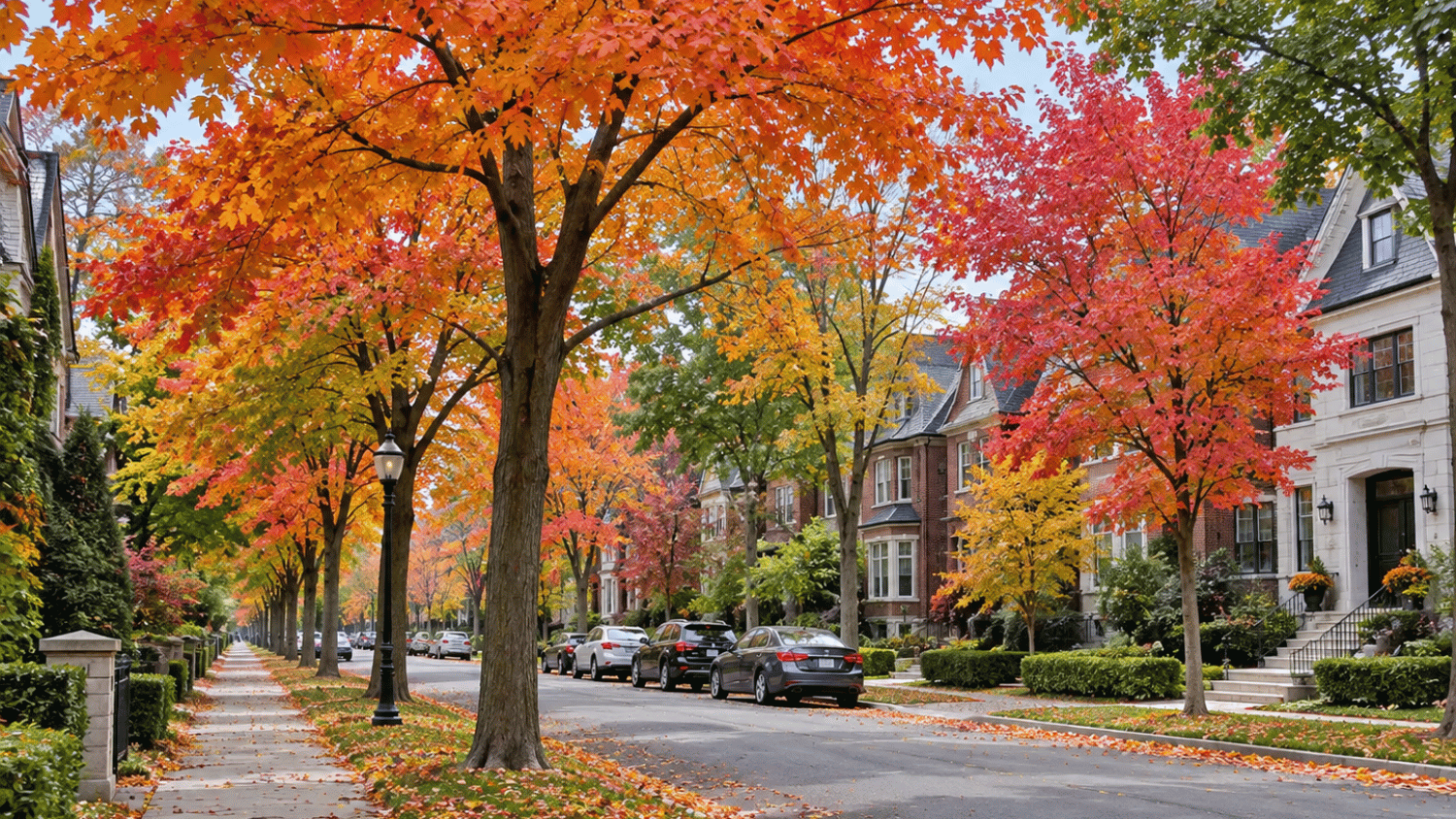
Fall is, for a lot of locals, the best season. Warm days, cool nights, and the drive up the Poudre Canyon when the leaves turn is worth the move by itself. It is also when CSU is back in session, so Old Town gets busier and game days change traffic around campus.
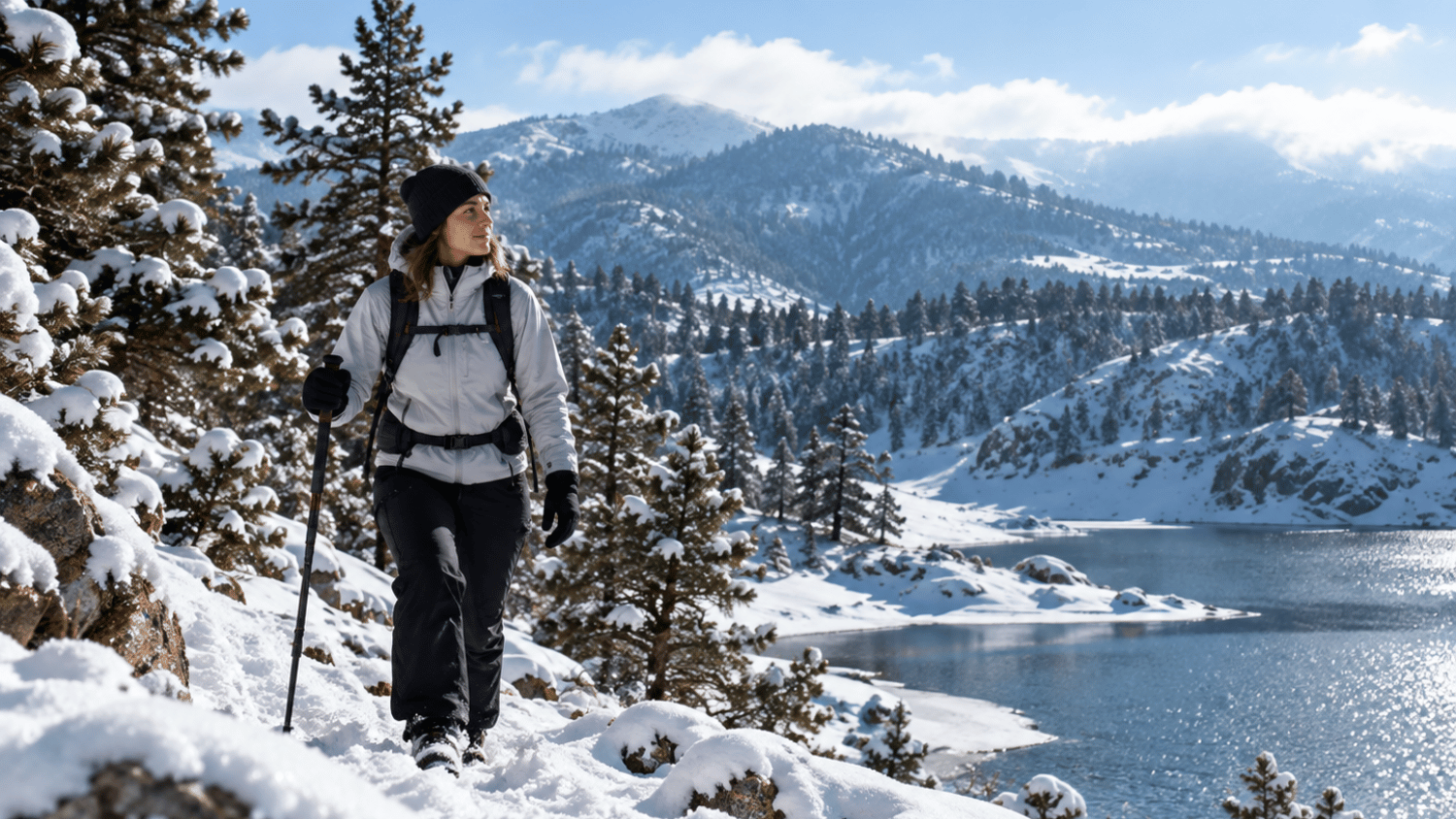
Winter is milder than people expect. Real storms come through, but the sun usually returns fast and melts most of it. What surprises people is that Fort Collins is not a ski town, and the closest resorts are a real drive, so if skiing every weekend is the dream, plan for the drive and the I-70 traffic that comes with it. Spring is the wild card: 70 degrees on Tuesday and a heavy wet snow on Thursday that snaps tree branches. Some of the biggest snowfalls show up in March and April, and it is wind season too. Locals joke that you do not plant your garden until after Mother’s Day, and honestly, that is good advice. The short version is that you get all four seasons, but they are shorter on the bad days and longer on the good ones than most people expect.
→ Related: What the Weather Is Like in Fort Collins
The Everyday Rhythm
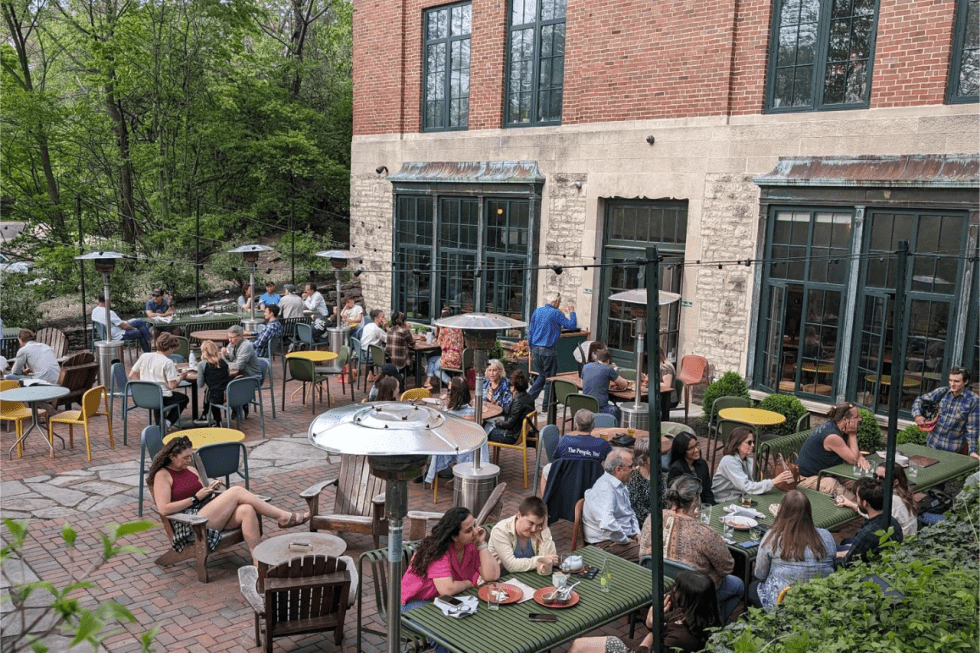
Weather is one thing, but what does a normal week feel like? The biggest thing is how much of life happens outside. People bike to work, walk the dog on the trail before coffee, and hit Horsetooth after work in the summer. The Spring Creek Trail and the Poudre Trail cut right through town, so a lot of neighborhoods sit a few minutes from a paved trail.
Old Town is the heart of it, with restaurants, shops, live music, and events most summer weekends. You will hear the local story that Old Town helped inspire Main Street at Disneyland, and whether or not that is fully true, you get why people say it once you walk through. Then there is the beer. New Belgium and Odell started here and there are many more breweries now, but the scene is less about drinking and more about where people meet friends, bring their dogs, and spend a Saturday afternoon. This is also a college town, and Colorado State brings jobs, sports, culture, and energy, along with move-in weekends, rental-heavy pockets near campus, and game-day traffic that you will either enjoy or barely notice depending on where you live.
Now the honest part. Fort Collins is not a big city. Nightlife winds down earlier than Denver, and bigger concerts, pro sports, and the airport mean driving south on I-25, about an hour to Denver when traffic cooperates and more when it does not. For most people who move here, that trade is the whole point, but you should know it going in.
→ Related: Best Craft Breweries in Fort Collins
The Money Reality

This is the part most “living in” guides skip. Fort Collins is not cheap. The median sale price sits around $560,000 in 2026, well above the national number. Wages here are solid, especially with CSU, health care, and tech employers, but plenty of locals will tell you paychecks have not kept up with home prices.
Here is the part that catches people off guard: the price of the house is only part of it, and the monthly payment is where the surprises live.
- Homeowners insurance: because of hail, premiums and deductibles here can run a lot higher than what you pay now.
- Property taxes: Colorado’s rate is relatively low, around 0.55 percent, but it moves when values are reassessed, so budget from current numbers, not last year’s listing.
- Metro districts: many newer neighborhoods, especially in southeast Fort Collins, Timnath, and Windsor, sit in a metro district that adds to your tax bill. Two houses at the same price can carry very different payments because of this.
- The county line: Larimer and Weld can tax differently, which is one reason buyers end up comparing towns like Windsor and Timnath side by side.
The good news is that in this market buyers have more room to negotiate than they did a few years ago. Homes have been selling in a matter of weeks rather than days, and tools like seller concessions and builder rate buydowns are real right now if you know how to ask. The move that saves people the most is simple: get a real payment number, taxes and insurance included, before you start touring, not after you have fallen for a house.
→ Related: Cost of Living in Fort Collins Colorado
Where to Actually Live
If you are moving here, where you look depends on how you want your week to feel. Here is the quick version of how it breaks down.
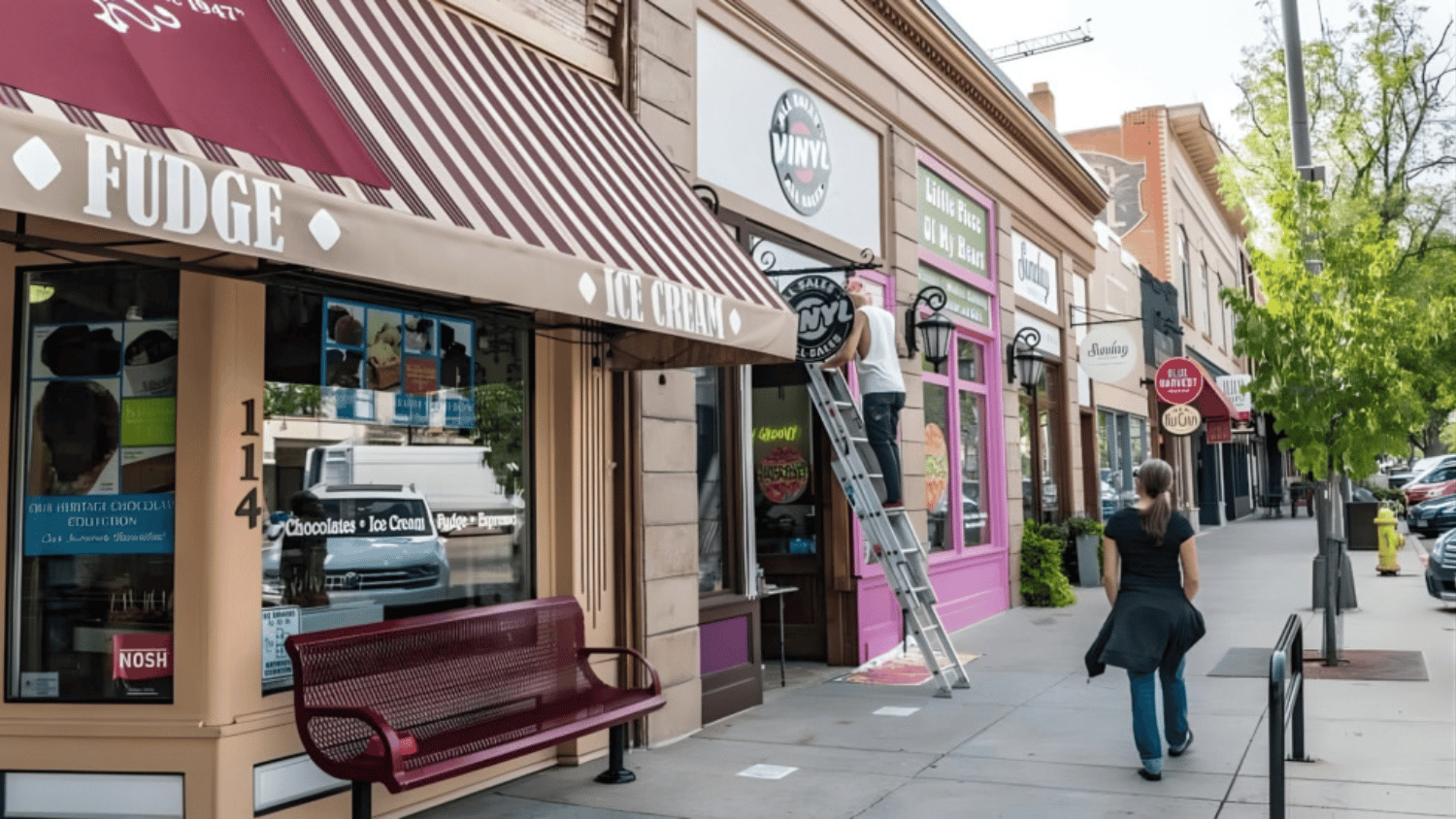
- If you want to walk to dinner, look at Old Town and the streets around it: older homes, mature trees, character, and you can walk or bike to almost everything. The trade-off is smaller lots, older systems, and a higher price per square foot.
- If you want central and practical, look at Midtown. You are close to shopping, the MAX bus line, and both ends of town, with a lot of 1970s and 1980s homes that offer better value, and some nicely updated ones if someone has already done the work.
- If you want newer construction, look at southeast Fort Collins and the Harmony corridor: newer homes, newer shopping, and quick I-25 access. Just check for metro districts and HOA fees before you commit.
- If you want the foothills, look at the west side near Horsetooth, minutes from trailheads and some of the best views in town. Inventory is tighter, so be ready to move fast.
- If you want more house for the money, look at the north side and neighboring towns like Wellington, Loveland, Windsor, and Timnath.
The honest truth is there is no single best area, only the one that matches your daily life and your real monthly budget. Answer those two questions first and usually one or two areas jump out.
→ Related: The 4 Main Areas of Fort Collins
Who Fort Collins Isn’t For

Part of an honest guide is saying when it is not the right fit. If you want big-city energy every night, this probably is not it. Fort Collins has a great downtown, but it is a downtown, not a city center, and if you need late-night options, major venues, and pro sports close by, you will be driving to Denver a lot. If your career depends on a big-city job market, check that before you move, because remote workers do great here but some fields have limited local roles and the I-25 commute gets old fast.
If wind, dry air, or snow in May would make you miserable, be honest with yourself and visit in March or April, not just September. If you are stretching to the very top of your budget, be careful, because between insurance, taxes, and metro districts the monthly cost can land higher than you planned. And if you want a sleepy town that never changes, know that Fort Collins has grown a lot, with more traffic, more construction, and more people than there were ten years ago.
Here is the flip side. If you want sunshine, the outdoors on your doorstep, a real community feel, and a town that still feels like a town, Fort Collins is hard to beat, which is why so many people keep moving here even with the trade-offs. The ones who come in with their eyes open, do their homework on the payment, visit in more than one season, and pick the right part of town for their life are the ones who end up calling it the best move they ever made. For anyone still weighing moving to Fort Collins, that honest preparation is the whole difference between a hopeful guess and a move you never second-guess.
Frequently Asked Questions
What is life in Fort Collins really like?
Life in Fort Collins is outdoor-first, sunny, and community-oriented, built around trails, Old Town, a well-known brewery scene, and Colorado State University energy. The honest trade-offs are dry high-altitude air, strong spring wind, Front Range hail that affects insurance, home prices well above the national average, and a smaller-city pace where big-city nightlife, concerts, and the airport mean driving about an hour south to Denver.
How much does it cost to live in Fort Collins in 2026?
The median home sale price in Fort Collins is around $560,000 in 2026, well above the national figure. Beyond the price, the monthly cost is driven up by higher hail-related insurance premiums, property taxes that move with reassessments, and metro district taxes in many newer neighborhoods. Buyers should get a full payment estimate including taxes and insurance before touring, since two homes at the same price can have very different monthly costs.
What is the weather like in Fort Collins?
Fort Collins gets a widely cited 300-plus days of sunshine a year at about 5,000 feet of elevation, with hot, dry summers, mild winters, beautiful falls, and unpredictable springs. The surprises are very dry air, strong wind in late winter and spring, fast weather swings, and Front Range hail. Some of the heaviest snows arrive in March and April, which is why locals wait until after Mother’s Day to plant.
Is Fort Collins a good place to live?
Fort Collins is a good place to live for people who value sunshine, outdoor access, a walkable downtown, and a strong sense of community, and it consistently ranks among the best places to live in the country. It is less ideal for those who need big-city nightlife, depend on a large local job market outside remote work, or are stretching to the very top of their budget, since the full monthly cost can run higher than expected.
Is Fort Collins a ski town?
No, Fort Collins is not a ski town, which surprises many newcomers. While it sits on the Front Range with excellent trail, reservoir, and canyon access, the nearest major ski resorts are a real drive away, often involving I-70 traffic. Residents who want to ski regularly plan for the drive rather than expecting slopes nearby, and many focus their outdoor time on local hiking, biking, and water recreation instead.
How far is Fort Collins from Denver?
Fort Collins is about 65 miles from Denver, roughly an hour’s drive south on I-25 when traffic cooperates and longer during rush hour. Denver International Airport is about 70 miles away, a 75 to 90-minute drive. Most residents accept the drive as the trade-off for a smaller-city lifestyle, heading south for big concerts, pro sports, major venues, and flights.
~ By The Levi Group Brokered by Real ~
Your Personal Guide to Fort Collins

Thank you for visiting our blog dedicated to what it is like to live in Fort Collins Co. We created all this content with you in mind. This site has the most comprehensive content about Fort Collins Colorado. If you have any questions please don’t hesitate to reach out to us. We would love to visit with you and answer any questions you have.

Jason Levi
The Levi Group Brokered by REAL, LLC
Call Me: 970-426-8916
Text Me: 970-426-8916
Email Me: jason@thelevigroup.net
Stay Up to Date – Subscribe & Follow
Youtube Channel: @LeviGroupNoco
Facebook: Jason Levi
Instagram: @noco.jas
POPULAR POSTS
VIDEO ABOUT FORT COLLINS COLORADO
Have Questions?
INSPIRATIONAL QUOTE
The Fort Collins Experience is your comprehensive guide to everything Fort Collins Colorado. Whether you’re searching for the best things to do, researching schools and neighborhoods, exploring local breweries and outdoor adventures, hunting for great restaurants and hotels, or staying up to date on Fort Collins real estate trends — you’ll find it all here in one place. This site was built with a single goal: to give you a genuine, firsthand understanding of what it’s really like to live in Fort Collins. As a longtime resident and full-time Realtor, I’ve walked these streets, explored these communities, and experienced every corner of this city. I share that local insight so you don’t have to spend hours piecing together scattered information like I once did. Whether you’re relocating, investing, raising a family, or simply curious, The Fort Collins Experience will show you why so many people are drawn to northern Colorado. Fort Collins isn’t just a location — it’s a lifestyle shaped by nature, community, creativity, and opportunity. If you’re ready to discover what makes Fort Collins Colorado one of the most desirable places to live in the state, you’re exactly where you need to be.