
Cost of Living in Fort Collins, Colorado: A Complete Guide
One of the most common questions from people considering a move to Northern Colorado is about the cost of living in Fort Collins. While housing prices are above the national average, low property taxes, no state grocery tax, and reasonable everyday expenses make Fort Collins more affordable than many people expect — especially compared to Denver and Boulder. Here’s the full breakdown for anyone moving to Fort Collins.
Table of Contents
1. Housing Costs in Fort Collins
Housing is the largest factor in the cost of living in Fort Collins. The city has strong demand driven by relocators, CSU ties, and a limited supply of homes in walkable areas. The citywide median sits around $525K–$544K, and with homes averaging roughly 78 days on market, buyers have a bit more breathing room to negotiate than in peak years.
Typical home prices in 2025–2026:
- Single-family homes: Mid-$500Ks to $800K+, depending on neighborhood
- Townhomes/condos: High $300Ks to mid-$500Ks
- Luxury homes (Old Town, Fossil Lake Ranch, Harmony Corridor): $1M+
Average rent:
- 1-bedroom apartment: ~$1,600–$1,900
- 2-bedroom apartment: ~$1,900–$2,400
- Single-family rental: $2,600+
Neighborhoods like Old Town, Midtown, and SE Fort Collins tend to be pricier, while far north and east areas offer more affordability. If you’re torn between renting and buying at current rates, our guide on whether to rent or buy in Fort Collins walks through the math.
→ Related: What Homes Cost in Fort Collins

2. Utilities and Home Expenses
Utility costs in Fort Collins are generally moderate and in line with statewide averages.
Typical monthly utilities:
- Electricity: $80–$130
- Natural gas (winter months higher): $40–$100
- Water/sewer/trash: $60–$100
- Internet: $55–$85
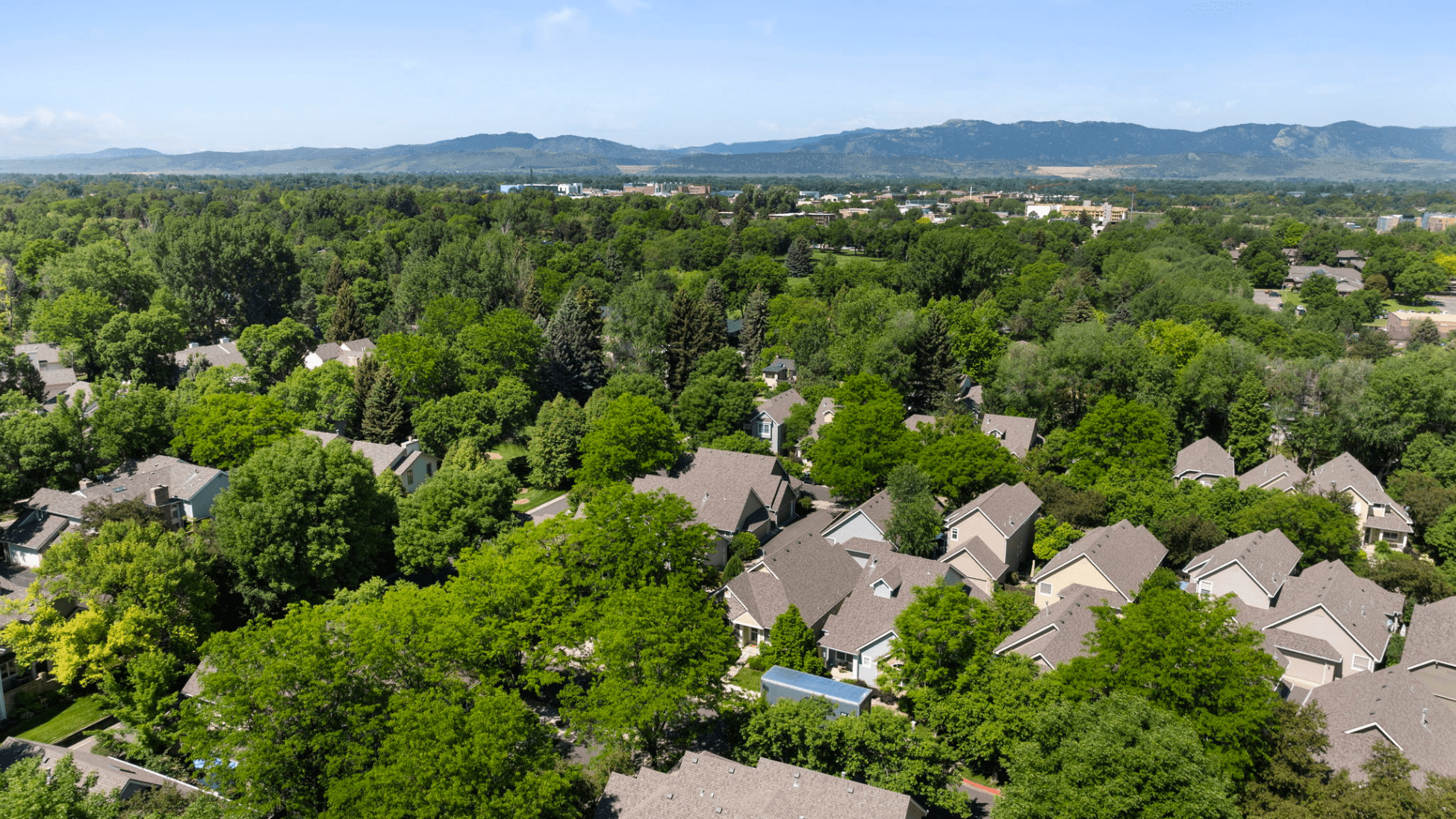
HOA fees vary widely depending on neighborhood and amenities, so factor those into your monthly cost of living in Fort Collins when comparing a condo against a single-family home.
3. Groceries and Everyday Essentials
Grocery prices are similar to other Front Range cities, and one quiet advantage helps: Colorado has no state grocery tax, which trims everyday spending compared to states that tax food.
Shoppers often rotate between King Soopers, Whole Foods, Safeway, Sprouts, and the seasonal Fort Collins Farmers Markets for local produce.
4. Transportation and Commuting Costs
Fort Collins is known for its bike-friendly design, reducing transportation expenses for many residents.
What to expect:
- Gas prices align with Colorado averages
- Minimal toll roads
- Public transit (Transfort/MAX): Affordable and convenient in core areas
- Many residents bike to work, CSU, or Old Town
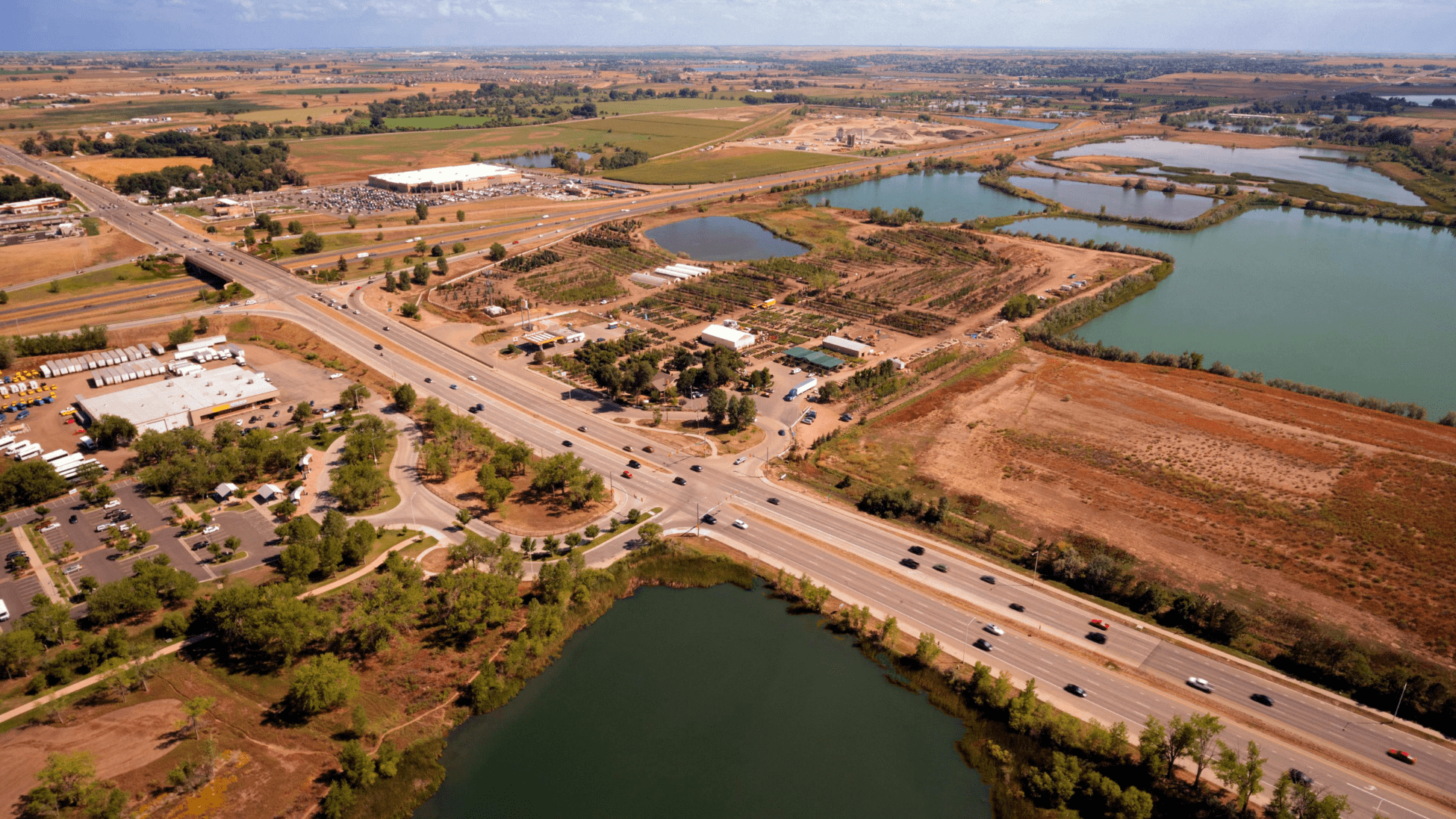
Commuters driving to Loveland, Windsor, Longmont, or Denver — about 65 miles and an hour south — may experience higher monthly fuel costs, so factor your commute into the overall picture.
→ Related: How Far Is Fort Collins from Denver
5. Healthcare and Insurance Costs
Healthcare costs are in line with the statewide average, supported by regional hospitals, UCHealth facilities, and abundant clinics.
Typical medical expenses:
- Primary care visits: Similar to national averages
- Insurance costs vary by employer or marketplace
- Dental/vision also comparable to nearby cities
Families value Fort Collins for its access to top-tier medical care without Denver-level costs.
6. Dining, Entertainment, and Lifestyle
Fort Collins has a strong food, brewery, and outdoor culture.
Dining:
- Casual meals: $12–$18
- Mid-range restaurants: $18–$30
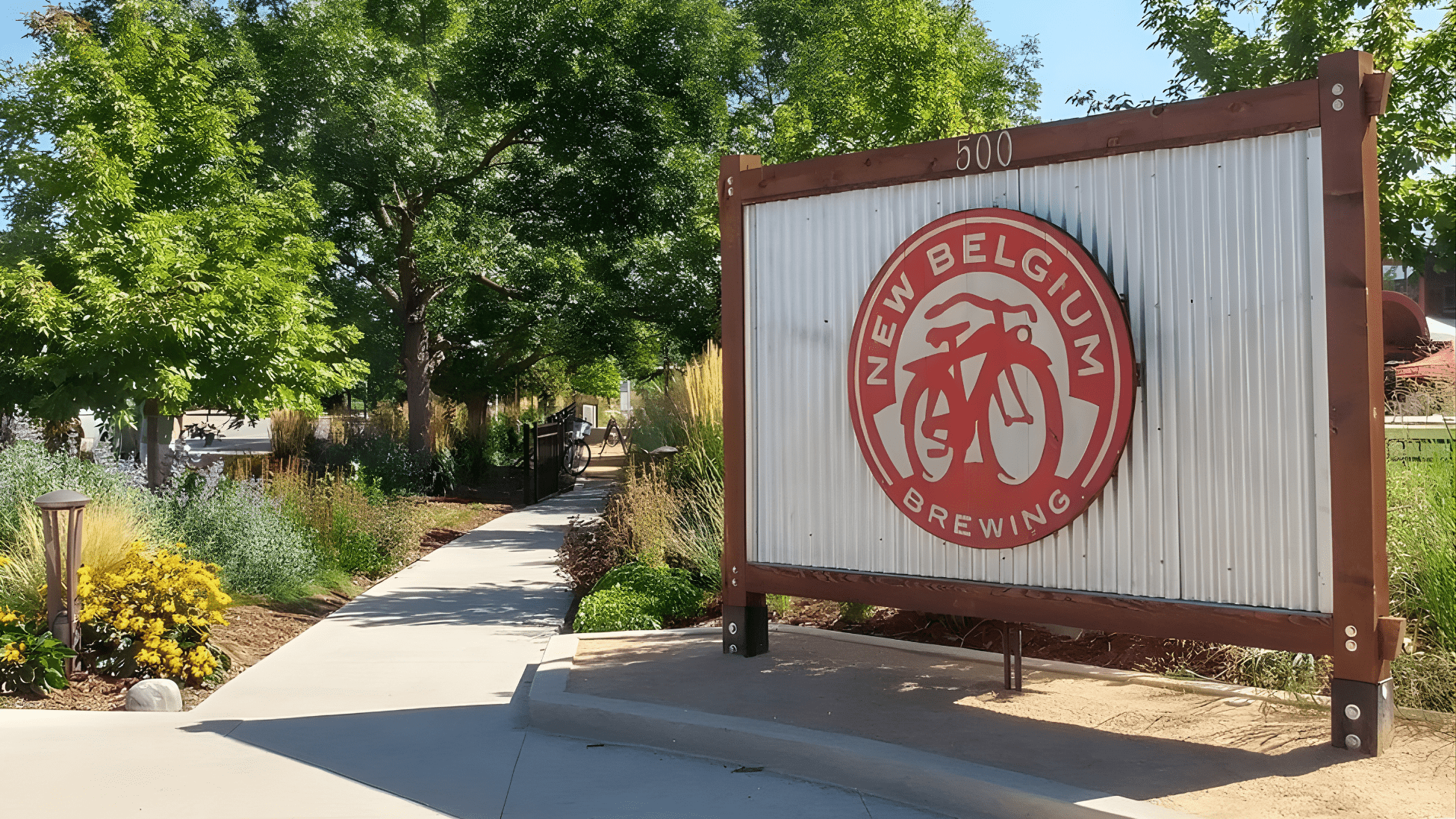
- Breweries: $6–$9 per beer
Entertainment:
- Concerts and Old Town events are often free
- Outdoor recreation (hiking, biking, kayaking) keeps lifestyle costs lower
- Horsetooth Reservoir activities vary by season
Residents enjoy a high quality of life without the premium pricing found in Boulder or Denver, and the city’s 300+ days of sunshine make low-cost outdoor recreation a year-round option.
7. Taxes and Fees
Property taxes:
Relatively low compared to many states, at roughly 0.55%. A $500,000 home averages ~$3,000–$3,800 per year depending on location.
Sales tax:
Generally moderate, with combined rates slightly above 7%. Remember that groceries are exempt from Colorado’s state sales tax, which softens the day-to-day cost of living in Fort Collins.
| Cost Category | Fort Collins | Denver | Boulder |
|---|---|---|---|
| Median home price | ~$525K–$544K | Higher | Significantly higher |
| Property tax rate | ~0.55% | ~0.55% (statewide) | ~0.55% (statewide) |
| State grocery tax | None | None | None |
| Overall affordability | Most affordable of the three | Higher cost | Highest cost |
8. Is Fort Collins Expensive?
Compared to the national average, yes — Fort Collins is more expensive, primarily due to housing. Compared to Boulder, Denver, or mountain towns, Fort Collins is more affordable while offering an exceptional lifestyle. For most relocators, the cost of living in Fort Collins lands in a sweet spot: Front Range amenities without big-city pricing.
→ Related: Pros and Cons of Living in Fort Collins

Is Moving to Fort Collins Worth the Cost?
Most residents feel the higher cost of living is justified by:
- Outdoor access
- Strong schools
- Low crime
- A vibrant downtown
- Breweries and restaurants
- A community-focused lifestyle
It’s a top choice for relocators seeking a balance of affordability, recreation, and culture.
If you’re exploring a move or want neighborhood-specific cost breakdowns, The Levi Group can help you understand where your budget fits best in today’s market. For a complete roadmap, start with our guide to moving to Fort Collins, Colorado.
Frequently Asked Questions
What is the cost of living in Fort Collins compared to the national average?
The cost of living in Fort Collins runs above the national average, driven mainly by housing. Everyday costs like utilities, groceries, and transportation are closer to statewide norms, and low property taxes plus no state grocery tax help offset higher home prices.
How much does it cost to buy a home in Fort Collins?
Single-family homes typically range from the mid-$500Ks to $800K+ depending on neighborhood, with the citywide median around $525K–$544K. Townhomes and condos run from the high $300Ks to mid-$500Ks, while luxury homes in areas like Old Town, Fossil Lake Ranch, and the Harmony Corridor reach $1M and above.
How much is rent in Fort Collins?
A one-bedroom apartment runs about $1,600–$1,900, a two-bedroom about $1,900–$2,400, and a single-family rental $2,600 or more. Old Town, Midtown, and southeast Fort Collins tend to be pricier, while far north and east areas offer more affordability.
What are property taxes like in Fort Collins?
Colorado property taxes are relatively low, at roughly 0.55%. A $500,000 home averages about $3,000–$3,800 per year depending on location, which is favorable compared to many other states.
Is Fort Collins cheaper than Denver or Boulder?
Yes. While more expensive than the national average, Fort Collins is generally more affordable than Boulder, Denver, or Colorado’s mountain towns, while still offering a vibrant downtown, strong schools, and abundant outdoor recreation.
Is moving to Fort Collins worth the cost?
Most residents feel the higher cost of living is justified by outdoor access, strong schools, low crime, a vibrant downtown, breweries and restaurants, and a community-focused lifestyle. Combined with 300+ days of sunshine, it remains a top choice for relocators seeking balance between affordability and quality of life.
~ By The Levi Group Brokered by Real ~
Your Personal Guide to Fort Collins

Thank you for visiting our blog dedicated to what it is like to live in Fort Collins Co. We created all this content with you in mind. This site has the most comprehensive content about Fort Collins Colorado. If you have any questions please don’t hesitate to reach out to us. We would love to visit with you and answer any questions you have.

Jason Levi
The Levi Group Brokered by REAL, LLC
Call Me: 970-426-8916
Text Me: 970-426-8916
Email Me: jason@thelevigroup.net
Stay Up to Date – Subscribe & Follow
Youtube Channel: @LeviGroupNoco
Facebook: Jason Levi
Instagram: @noco.jas
POPULAR POSTS
VIDEO ABOUT FORT COLLINS COLORADO
Have Questions?
INSPIRATIONAL QUOTE
The Fort Collins Experience is your comprehensive guide to everything Fort Collins Colorado. Whether you’re searching for the best things to do, researching schools and neighborhoods, exploring local breweries and outdoor adventures, hunting for great restaurants and hotels, or staying up to date on Fort Collins real estate trends — you’ll find it all here in one place. This site was built with a single goal: to give you a genuine, firsthand understanding of what it’s really like to live in Fort Collins. As a longtime resident and full-time Realtor, I’ve walked these streets, explored these communities, and experienced every corner of this city. I share that local insight so you don’t have to spend hours piecing together scattered information like I once did. Whether you’re relocating, investing, raising a family, or simply curious, The Fort Collins Experience will show you why so many people are drawn to northern Colorado. Fort Collins isn’t just a location — it’s a lifestyle shaped by nature, community, creativity, and opportunity. If you’re ready to discover what makes Fort Collins Colorado one of the most desirable places to live in the state, you’re exactly where you need to be.