
The Colorado HOA Using Hogs for Weed Control: A Wild (and Smart) New Trend
A Colorado HOA using hogs for weed control has officially gone viral — and honestly, it’s kind of brilliant. One neighborhood is using a small herd of trained hogs to help control invasive weeds and restore overgrown open-space areas. Here’s what’s happening and why this eco-friendly trend is getting so much attention in Northern Colorado and beyond.
Table of Contents
Why Hogs? And Why Now?
Many neighborhoods in Colorado face rising costs for weed mitigation, especially in areas near open space, irrigation ditches, or steep terrain that’s tough to mow or spray. Traditional removal methods — chemical treatments, hand-pulling, and seasonal mowing — all come with downsides, especially for HOAs with sustainability goals.
Hogs, on the other hand:
- Root out weeds naturally, including stubborn ones like thistle and knapweed
- Turn soil efficiently, helping prep land for reseeding
- Avoid herbicides, which many HOAs and residents prefer to limit
- Cost less than mechanized maintenance in certain hard-to-reach zones
Their instinctive foraging behavior makes them surprisingly effective “land managers.”
How the HOA Program Works
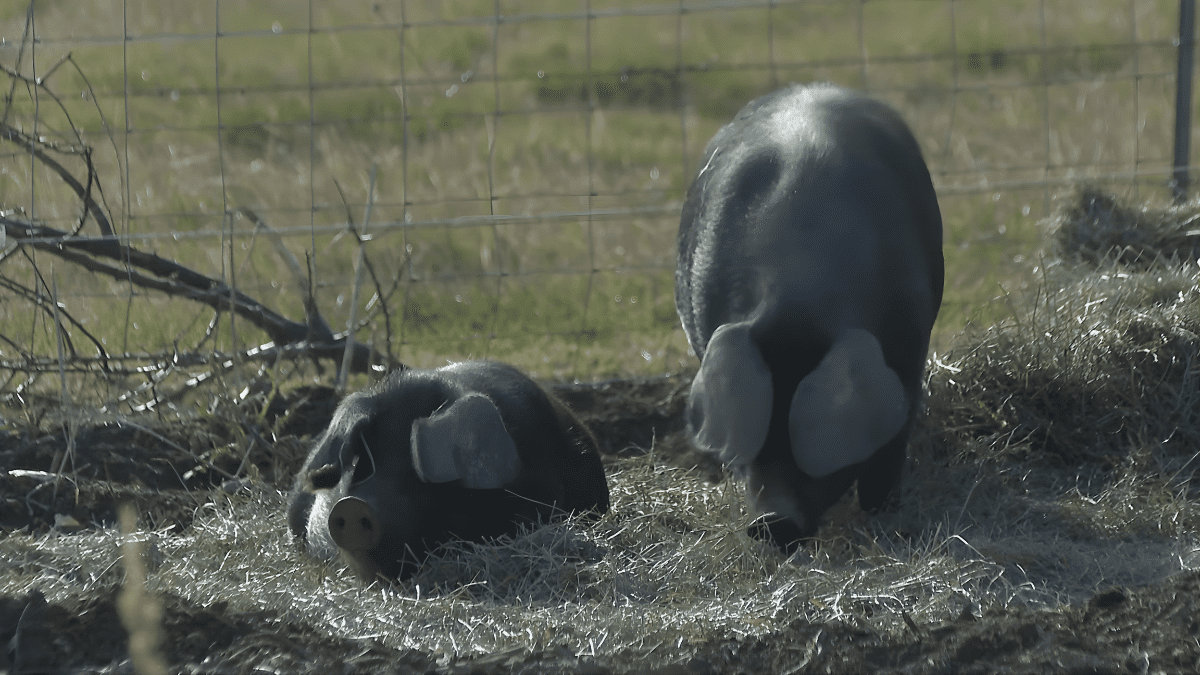
The Colorado HOA partnering with a local agricultural nonprofit created a seasonal weed-mitigation program that rotates small groups of hogs through different greenbelt and open-space sections.
The setup usually looks like this:
- Temporary, secure fencing creates controlled grazing zones
- Hogs spend a few days to a week in each section
- Handlers monitor their health, behavior, and impact on soil
- Once a section is cleared, the HOA reseeds with native grasses
Residents report that the hogs actually become a fun neighborhood attraction — especially for families with kids.
Is It Safe? Yes — With Structure
People hear the word “hog” and picture chaos, but these are domesticated, well-trained animals, usually from local farms.
HOAs using hog programs typically follow strict guidelines:
- Secure containment fencing
- Daily supervision by trained handlers
- Waste management (surprisingly easy for short-term rotations)
- Liability and safety protocols
- Prohibited proximity to playgrounds or yards
This isn’t a free-roaming-pig situation. It’s a managed environmental program.
Why Homeowners Actually Love It
Surprisingly, the feedback from the community has been overwhelmingly positive.
Residents say they appreciate:
- A pesticide-free approach to weed control
- Better land restoration results than mowing alone
- Educational opportunities for kids to learn about sustainable agriculture
- Reduced HOA spending compared with contractor bids
- Fun, quirky neighborhood character — something to talk about beyond meetings and covenants
HOAs experimenting with this method say it has become a community-building feature, not just a maintenance plan.
Could More Colorado HOAs Start Using Hogs?
Absolutely — especially as sustainability becomes a bigger part of community planning statewide.
Northern Colorado communities with large greenbelts, prairie buffers, or drainage areas may be well-suited for eco-grazing programs. Goats are already widely used; hogs add another layer of effectiveness, especially for root-heavy invasive weeds.
Local factors an HOA would need to evaluate:
- Size and layout of common areas
- Weed types and ecological goals
- Neighborhood preferences and HOA bylaws
- Budget considerations
- Availability of trained livestock programs
Not every HOA will adopt it, but it’s a trend worth watching — particularly in Northern Colorado’s growing master-planned communities.
→ Related: 10 Things You MUST Know Before Relocating to Fort Collins
What This Means for Homebuyers in Colorado
For some buyers, eco-friendly HOAs are a major selling point. Programs like hog-powered weed mitigation show a neighborhood that cares about sustainability, innovation, community character, and long-term land stewardship.
If you’re moving to Fort Collins or Northern Colorado, it’s worth asking about HOA policies around sustainability and open-space management. The best neighborhoods aren’t just defined by their homes — they’re defined by how the community treats the land around them.
→ Related: Best Neighborhoods in Northern Colorado
→ Related: Best Luxury Neighborhoods in Fort Collins
→ Related: Short-Term Rental Requirements in Fort Collins (another HOA-related topic)
→ Related: Wildlife You’ll See in Fort Collins
→ Related: What’s It Like Living in Fort Collins Colorado?
For a complete overview of relocating, visit our Moving to Fort Collins, Colorado — The Complete Relocation Guide.
Frequently Asked Questions About HOA Hog Weed Control
What Colorado HOA is using hogs for weed control?
A Colorado HOA partnered with a local agricultural nonprofit to create a seasonal hog weed-mitigation program. The hogs rotate through greenbelt and open-space sections to naturally root out invasive weeds like thistle and knapweed.
Is it safe to have hogs in a neighborhood?
Yes — with proper structure. The programs use secure containment fencing, daily supervision by trained handlers, waste management protocols, and safety guidelines that keep hogs away from playgrounds and yards.
Why use hogs instead of chemicals for weed control?
Hogs root out weeds naturally (including roots), avoid herbicides, turn soil for reseeding, and can be more cost-effective than mechanized maintenance in hard-to-reach areas. Many HOAs and residents prefer pesticide-free approaches.
Do homeowners like the hog weed control program?
Yes. Feedback has been overwhelmingly positive. Residents appreciate the eco-friendly approach, lower costs, educational value for kids, and the fun community character the hogs bring to the neighborhood.
Could this work in Fort Collins or Northern Colorado?
Potentially. Northern Colorado communities with large greenbelts, prairie buffers, or drainage areas are well-suited for eco-grazing programs. Goats are already widely used in the region; hogs add effectiveness for root-heavy invasive weeds.
How does this affect home values?
Eco-friendly and innovative HOA programs can be a selling point for buyers who value sustainability and community character — particularly in Northern Colorado where outdoor lifestyle and land stewardship are highly valued.
~ By The Levi Group Brokered by Real ~
Your Personal Guide to Fort Collins

Thank you for visiting our blog dedicated to what it is like to live in Fort Collins Co. We created all this content with you in mind. This site has the most comprehensive content about Fort Collins Colorado. If you have any questions please don’t hesitate to reach out to us. We would love to visit with you and answer any questions you have.

Jason Levi
The Levi Group Brokered by REAL, LLC
Call Me: 970-426-8916
Text Me: 970-426-8916
Email Me: jason@thelevigroup.net
Stay Up to Date – Subscribe & Follow
Youtube Channel: @LeviGroupNoco
Facebook: Jason Levi
Instagram: @noco.jas
POPULAR POSTS
VIDEO ABOUT FORT COLLINS COLORADO
Have Questions?
INSPIRATIONAL QUOTE
The Fort Collins Experience is your comprehensive guide to everything Fort Collins Colorado. Whether you’re searching for the best things to do, researching schools and neighborhoods, exploring local breweries and outdoor adventures, hunting for great restaurants and hotels, or staying up to date on Fort Collins real estate trends — you’ll find it all here in one place. This site was built with a single goal: to give you a genuine, firsthand understanding of what it’s really like to live in Fort Collins. As a longtime resident and full-time Realtor, I’ve walked these streets, explored these communities, and experienced every corner of this city. I share that local insight so you don’t have to spend hours piecing together scattered information like I once did. Whether you’re relocating, investing, raising a family, or simply curious, The Fort Collins Experience will show you why so many people are drawn to northern Colorado. Fort Collins isn’t just a location — it’s a lifestyle shaped by nature, community, creativity, and opportunity. If you’re ready to discover what makes Fort Collins Colorado one of the most desirable places to live in the state, you’re exactly where you need to be.