
Moving to Colorado in 2027: Fort Collins Changes You Must Know
If you are moving to Colorado in 2027 and Fort Collins is on your list, a lot changes on January 1: new sales taxes, new property values, higher utility bills, and a housing market that looks nothing like 2021. The year matters because a stack of local changes takes effect at the same time migration into the area is projected to peak, so more people are arriving in the same year the rules shift. Whether you already live in Northern Colorado or are considering moving to Fort Collins for the first time, these are the eight changes that hit your budget and your daily life, with the real numbers behind each one. None of them is a reason not to move here. They are a reason to move with your eyes open.
Table of Contents
- 2027 Fort Collins Changes At a Glance
- New Sales Taxes: A Passenger Rail and a County Tax
- New Property Values Land in 2027
- Higher Utility Bills
- A Finished I-25 and a Train on the Way
- A Market Where Buyers Can Negotiate
- Big Projects and Growth Heading East into Weld
- More Housing Along the Transit Corridors
- Frequently Asked Questions
2027 Fort Collins Changes At a Glance
| 2027 Change | What It Means for You | Impact |
|---|---|---|
| Passenger rail sales tax (7A) | A permanent 0.333% tax in the rail district; Denver to Fort Collins service targeted for 2029 | ⚠️ Small cost now, big payoff later |
| Larimer County sales tax (1A) | A 0.3% county tax if the recount holds | ⚠️ In a recount, confirm the final result |
| New property values | Reappraisal notices arrive around May 2027 | ⚠️ Ask for the real tax estimate |
| Higher utility bills | About $204 to $223 a month on Fort Collins Utilities, water up 15% | ❌ Costs more |
| A finished I-25 | More lanes and an express lane from Denver to Fort Collins by 2028 | ✅ Easier commute |
| Buyer-friendlier market | About four months of supply, around 70 days to sell, price cuts common | ✅ Room to negotiate |
| Growth east into Weld | Many “Fort Collins” listings are actually in Weld County | ⚠️ Know your county line |
| Housing along transit corridors | More density near the Mason Corridor, College Avenue, and Harmony Road | ⚠️ Check what is zoned nearby |
New Sales Taxes: A Passenger Rail and a County Tax

On November 3, voters in the Front Range Passenger Rail District approved Ballot Issue 7A, a permanent 0.333% sales and use tax, plus up to $580 million in debt, to fund the Colorado Connector, known locally as CoCo. Higher-frequency passenger service on the northern segment between Denver and Fort Collins is planned to begin in 2029, with stops that include Loveland, Longmont, and Boulder, and the new tax helps extend the line south through Colorado Springs and Pueblo. The tax applies only inside the district’s boundaries, a group of member communities that includes Fort Collins and Loveland, so two homes a few minutes apart can carry different rates depending on the town.
There is a second tax to watch. Larimer County Ballot Issue 1A, a 0.3% county sales tax for wildfire mitigation, roads, parks, and public safety, appears to be passing by a razor-thin margin of a few hundred votes and is headed to a mandatory recount expected around the end of November. Confirm the certified result before you budget around it. The county tax would apply across Larimer County, while the rail tax applies only inside the rail district, so your exact combined rate depends on where you buy.
If both take effect, Fort Collins moves from about 8.3% to roughly 8.93% combined sales tax. On every $10,000 of taxable spending, that is about $63 more a year. Not a dealbreaker, but real, and the upside is the train itself. If you commute to Denver a couple of days a week, a station in Fort Collins changes the math on where you can live, as long as you remember that 2029 is a target, not a promise.
→ Related: Cost of Living in Fort Collins Colorado
New Property Values Land in 2027

Colorado reappraises every property in odd-numbered years, and 2027 is one of them. Around May 1, 2027, every homeowner in Larimer County gets a new Notice of Valuation, and your value is based on what the market supported as of June 30, 2026, using sales from the two years before that. You then get a short window, usually about five weeks ending in early June, to protest, and the taxes based on those new values are paid in 2028.
Three things matter if you are moving here. First, the property tax figure on a 2027 listing is based on the old value, so ask your agent for an estimate rather than last year’s number. Second, if you buy in 2027, your purchase price does not count as evidence for the 2027 value, because the assessor is looking at sales through June 30, 2026. Third, Fort Collins prices have been mostly flat for the last two years, so this should not be the shock that 2023 was. But flat citywide does not mean flat on your street, so when that notice shows up, open it and check it.
Higher Utility Bills

Fort Collins utility rates are going up in 2027. For an average home on Fort Collins Utilities with all four services, the monthly bill rises from about $203.89 to about $222.75, roughly $19 more a month, or about 9.3%. Water is the big driver, up 15%, with electric up 7%, wastewater up 10%, and stormwater up 5%. The city has said to expect similar increases again in 2028, with the money going to major water projects and to replacing aging pipe.
Here is the relocation tip most people miss: not every Fort Collins address is on Fort Collins Utilities. Depending on the neighborhood, your water might come from a district like the Fort Collins-Loveland Water District, and your power might come from Poudre Valley REA or Xcel, each setting its own rates. So before you write an offer, ask who provides each utility and what last year’s bills actually were. It takes five minutes, and it is real money every month.
A Finished I-25 and a Train on the Way
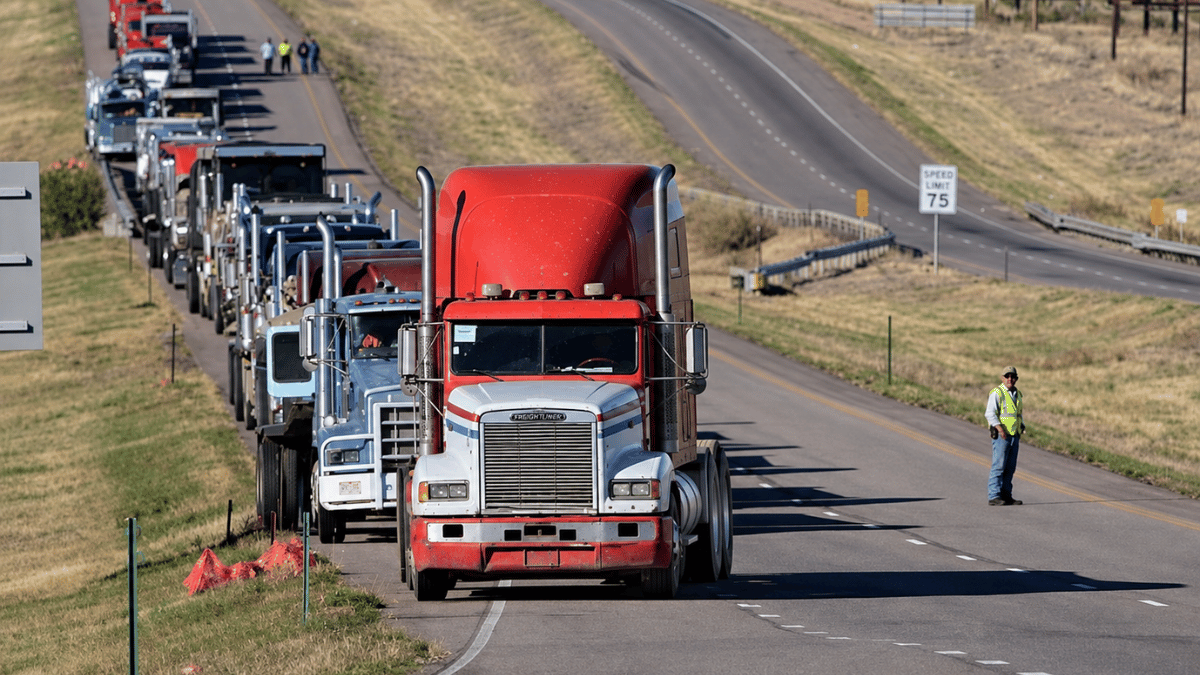
If you have driven I-25 between Fort Collins and Denver, you know the narrow stretch between Berthoud and Mead. That is the last missing piece. In October 2026, traffic moved into its new alignment there, and CDOT is targeting completion in 2028, with major pieces wrapping up in 2027. When it is done, it will be the first time there are more than two lanes each direction all the way from Denver to Fort Collins, including a tolled express lane, with carpools of three or more riding free using a switchable transponder.
What does that mean for you? If you are weighing Fort Collins against a town closer to Denver just for the commute, give it a second look. Pair a finished I-25 with a train in 2029, and living in Fort Collins while working in Denver gets a lot more realistic. The two biggest knocks on a northern address, the drive and the lack of transit, are both being addressed at once.
→ Related: How Far Is Fort Collins From Denver
A Market Where Buyers Can Negotiate
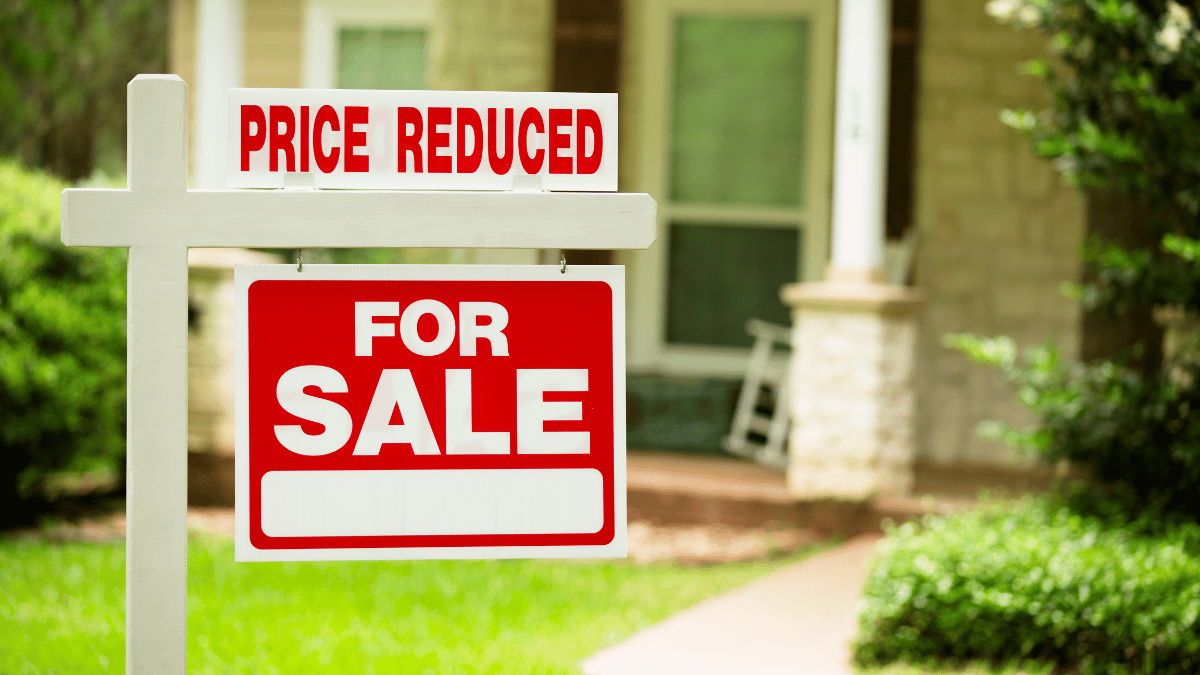
If your picture of Fort Collins real estate is bidding wars and waived inspections, that was 2021. In the first half of 2026, the median sale price in Fort Collins was about $554,000, up roughly half a percent from the year before, so basically flat. There is about four months of supply, homes are taking around 70 days to sell, and price cuts are common. In one recent month, more than 300 of roughly 1,100 active listings in Fort Collins had a price reduction.
For your move, that means you have time to compare homes, you can ask for inspection repairs, and you can negotiate seller credits, including credits to buy down your rate. One caution: this is not the same market at every price. Entry-level homes under about $550,000 are still moving faster with less room to negotiate, so the leverage is mostly in the middle and upper price ranges. And do not expect prices to drop off a cliff just because you wait. With migration projected to peak in 2027, demand is not going away, so the opportunity right now is negotiating terms, not timing a crash.
→ Related: What Homes Cost in Fort Collins
Big Projects and Growth Heading East into Weld
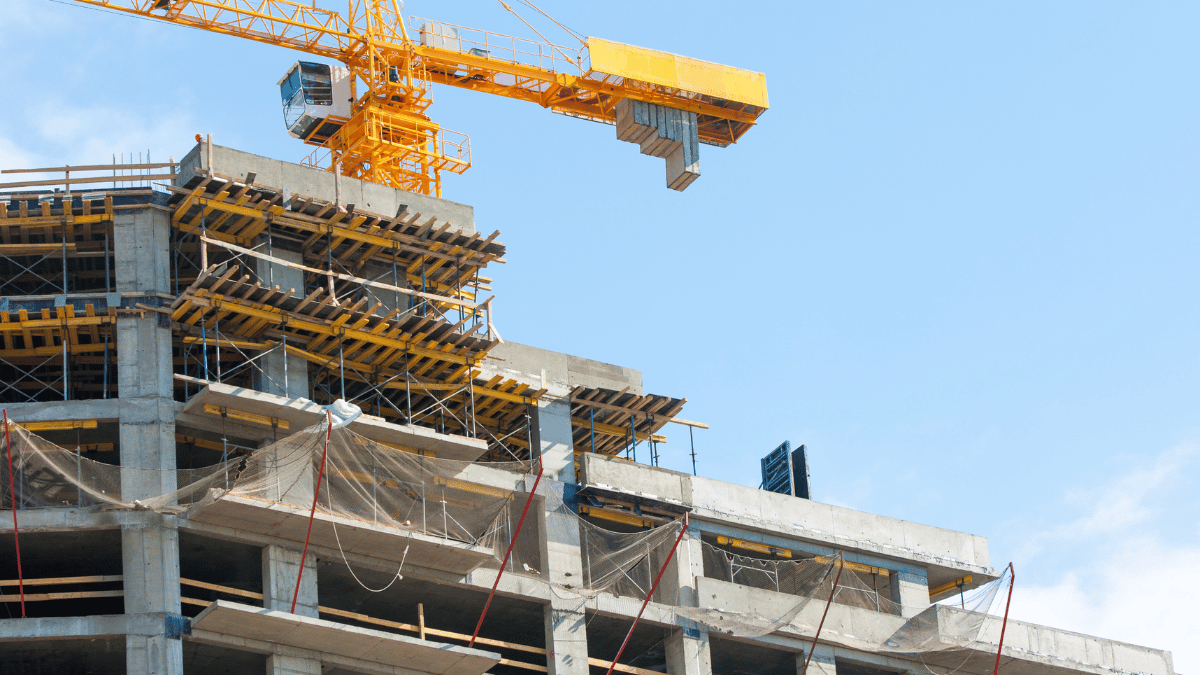
Southeast Fort Collins is getting its biggest public project in years. The Southeast Community Center broke ground in June 2026, about 86,000 square feet and roughly $100 million, with recreation, indoor and outdoor aquatics, and a new public library, a partnership of the City, Poudre Libraries, and Poudre School District, targeted to open in summer 2028. Buy in southeast Fort Collins in 2027 and you are buying before that amenity opens, a real lifestyle upgrade, though you will live with construction traffic first, and the Council Tree Library is planned to close once the new library is ready. In Midtown, the Foothills Mall is back in redevelopment talks, so treat that as something to watch, not something to buy on.
The bigger story is where the growth is actually headed. When most people say they are moving to Fort Collins, they picture Larimer County, but a lot of the new growth is across the county line in Weld County. The Common Sense Institute projects that the Greeley metro will surpass the Fort Collins metro in population as soon as 2026, with the gap potentially reaching 100,000 residents by 2050, and net migration into the Fort Collins metro peaking in 2027 at about 6,300 people. A lot of the homes you see when you search Fort Collins on Zillow are actually in Weld County towns like Severance, Johnstown, or the Weld side of Windsor. A different county means a different tax structure, different utilities, and sometimes a different school district. Weld is also where commissioners approved a large AI data center near Windsor that is facing a lawsuit and a citizen petition, so that story is still unfolding. None of this makes Weld better or worse. It just means the address on the listing does not tell you the whole story, so know which county you are buying in.
→ Related: Best Places to Live in Northern Colorado
More Housing Along the Transit Corridors

The last change is quieter, but it shapes neighborhoods for years. Fort Collins City Council set up a committee on affordable and sustainable growth that runs through the end of 2027, with the job of simplifying the seven separate codes that govern development in the city. The city has also been designating transit-center areas along corridors like the Mason Corridor, College Avenue, and Harmony Road, to comply with a state law that pushes for more housing near frequent transit. On top of that, Transfort is reworking routes, with changes to Routes 14 and 18 expected in 2027.
So what does that mean for you? If you buy near one of those corridors, expect more density and more development over time. That is great if you want walkability and transit, and less great if you are expecting the empty lot behind you to stay empty. Before you buy, look up what is zoned and planned nearby.
Here is 2027 in one breath: new sales taxes and a train on the way, new property values in May, higher utility bills, a finished I-25, a market where buyers can negotiate, a big new community center in southeast Fort Collins, growth heading east into Weld, and more housing along the transit corridors. None of that is a reason not to move here. It is a reason to move with your eyes open and a plan for what each change costs you. For anyone moving to Fort Collins in 2027, matching your budget, your commute, and which side of the county line makes sense for you is what turns a stack of changes into a smart, confident move.
→ Related: The 4 Main Areas of Fort Collins
Frequently Asked Questions
What is changing in Fort Collins in 2027?
Several things change at once in 2027: a new permanent 0.333% Front Range passenger rail sales tax, a possible 0.3% Larimer County sales tax pending a recount, a statewide property reappraisal with new valuation notices around May, higher Fort Collins utility rates (about $19 more a month), continued I-25 expansion between Denver and Fort Collins, a buyer-friendlier housing market, major growth into Weld County, and new higher-density housing rules along transit corridors.
Did the Front Range passenger rail tax pass?
Yes. On November 3, 2026, voters in the Front Range Passenger Rail District approved Ballot Issue 7A, a permanent 0.333% sales and use tax plus up to $580 million in debt to fund the Colorado Connector, or CoCo. Higher-frequency service between Denver and Fort Collins is planned to begin in 2029, and the new tax helps extend the line south toward Colorado Springs and Pueblo. The tax applies only within the rail district’s member communities.
Will sales taxes go up in Fort Collins in 2027?
Likely yes. If both the approved rail district tax and the Larimer County 1A tax take effect, Fort Collins could move from about 8.3% to roughly 8.93% combined sales tax, about $63 more per $10,000 of taxable spending each year. The rail tax applies only inside the rail district, and the county tax, which is in a recount, would apply countywide, so your exact rate depends on the town and county where you buy.
Will my Fort Collins property taxes go up in 2027?
Your home gets a new valuation in 2027, since Colorado reappraises property in odd-numbered years. Around May 1, 2027, Larimer County homeowners receive a Notice of Valuation based on the market as of June 30, 2026, and taxes on those values are paid in 2028. Fort Collins prices have been roughly flat for two years, so large swings are less likely than in 2023, but you should review your notice and can protest it within about a five-week window.
Is 2027 a good time to buy a home in Fort Collins?
It is a favorable market for buyers. In early 2026 the median price was about $554,000 and nearly flat, with around four months of supply and homes taking about 70 days to sell, so buyers have time to compare homes, request inspection repairs, and negotiate seller credits and rate buydowns. Leverage is strongest in the middle and upper price ranges, while entry-level homes under about $550,000 still move quickly with less room to negotiate.
Why do homes that show up as "Fort Collins" sometimes end up in Weld County?
Much of the new growth near Fort Collins is happening across the county line in Weld County, so listings in towns like Severance, Johnstown, or the Weld side of Windsor often appear in a Fort Collins search. Those homes sit in a different county, which can mean a different tax structure, different utility providers, and sometimes a different school district. Always confirm which county and school district a home is in before you make an offer.
~ By The Levi Group Brokered by Real ~
Your Personal Guide to Fort Collins

Thank you for visiting our blog dedicated to what it is like to live in Fort Collins Co. We created all this content with you in mind. This site has the most comprehensive content about Fort Collins Colorado. If you have any questions please don’t hesitate to reach out to us. We would love to visit with you and answer any questions you have.

Jason Levi
The Levi Group Brokered by REAL, LLC
Call Me: 970-426-8916
Text Me: 970-426-8916
Email Me: jason@thelevigroup.net
Stay Up to Date – Subscribe & Follow
Youtube Channel: @LeviGroupNoco
Facebook: Jason Levi
Instagram: @noco.jas
POPULAR POSTS
VIDEO ABOUT FORT COLLINS COLORADO
Have Questions?
INSPIRATIONAL QUOTE
The Fort Collins Experience is your comprehensive guide to everything Fort Collins Colorado. Whether you’re searching for the best things to do, researching schools and neighborhoods, exploring local breweries and outdoor adventures, hunting for great restaurants and hotels, or staying up to date on Fort Collins real estate trends — you’ll find it all here in one place. This site was built with a single goal: to give you a genuine, firsthand understanding of what it’s really like to live in Fort Collins. As a longtime resident and full-time Realtor, I’ve walked these streets, explored these communities, and experienced every corner of this city. I share that local insight so you don’t have to spend hours piecing together scattered information like I once did. Whether you’re relocating, investing, raising a family, or simply curious, The Fort Collins Experience will show you why so many people are drawn to northern Colorado. Fort Collins isn’t just a location — it’s a lifestyle shaped by nature, community, creativity, and opportunity. If you’re ready to discover what makes Fort Collins Colorado one of the most desirable places to live in the state, you’re exactly where you need to be.