
What New Residents Should Know About Fort Collins, Colorado’s Long History
If you’re thinking about moving to Fort Collins, Colorado, you probably already like the area’s outdoor lifestyle, great schools, and robust economy. Fort Collins is special because of its long history, which still affects its character, communities, and feeling of community today. Fort Collins has changed a lot since it was a military base. It is now one of the best places to live in Colorado. Learning about its history will only make you appreciate what it has to offer now even more.
The first people to live there and the founding of Fort Collins
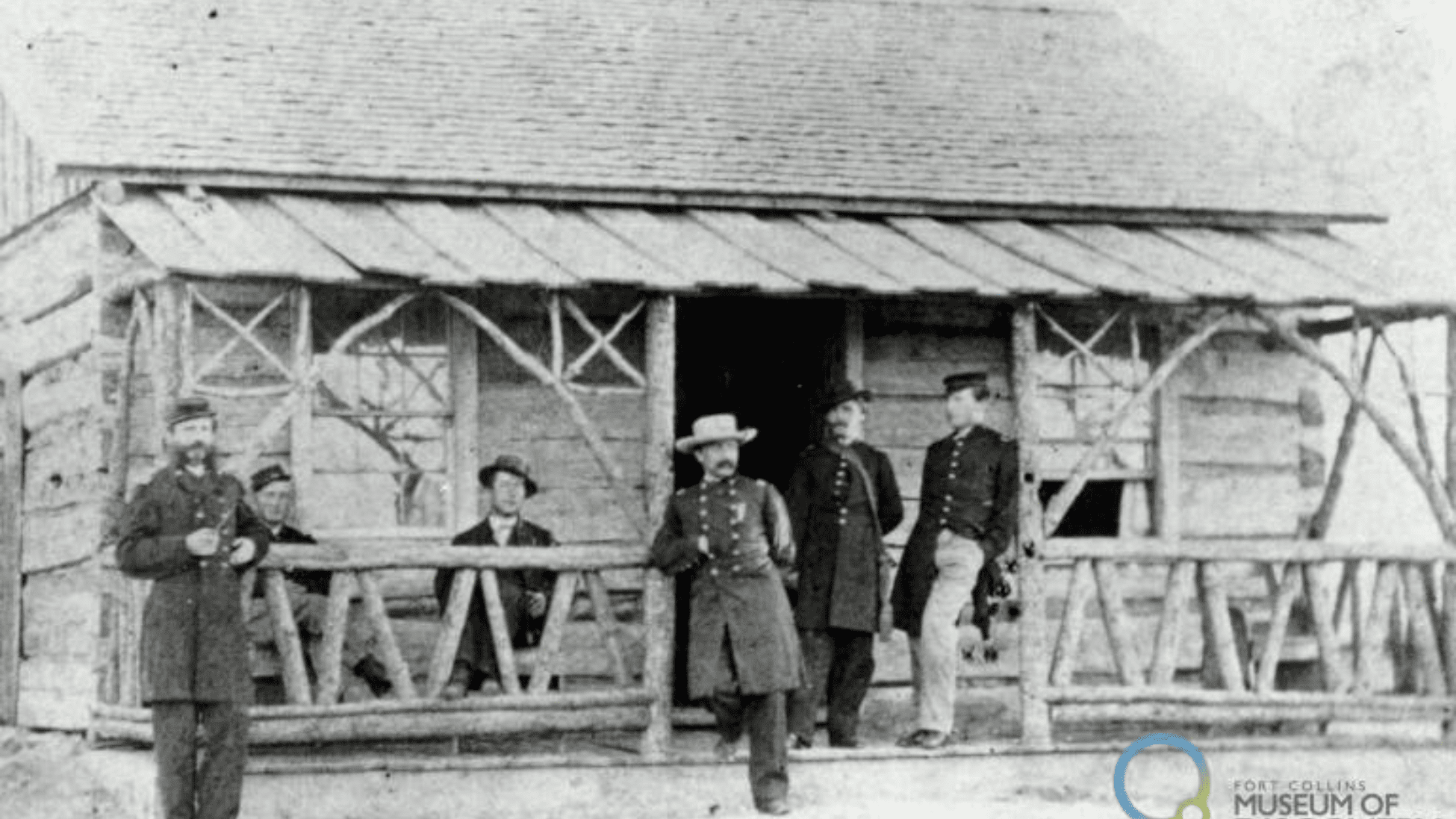
Before Fort Collins grew into a busy metropolis, Native American tribes including the Arapaho, Cheyenne, and Ute lived and hunted near the Cache la Poudre River. The name of the river comes from a group of French trappers who secreted gunpowder along its banks during a snowfall.
In the middle of the 1800s, the U.S. Army set up Camp Collins, which marked the start of the city’s modern history. The camp was meant to keep people safe on the Overland Trail as tensions rose with Native American groups. Originally, the camp was near Laporte, but after a terrible flood, it was moved south to its current location. It is named for Lt. Col. William O. Collins.
The soldiers left Camp Collins in 1867, but inhabitants stayed, and the region swiftly changed from a military garrison to a farming town. The Cache la Poudre River gave the area access to water, and the flat, fertile valley made it a good place for farming and ranching. Sugar beet farming, in particular, would drive the economy well into the 20th century.
Fort Collins’s Growth and Development
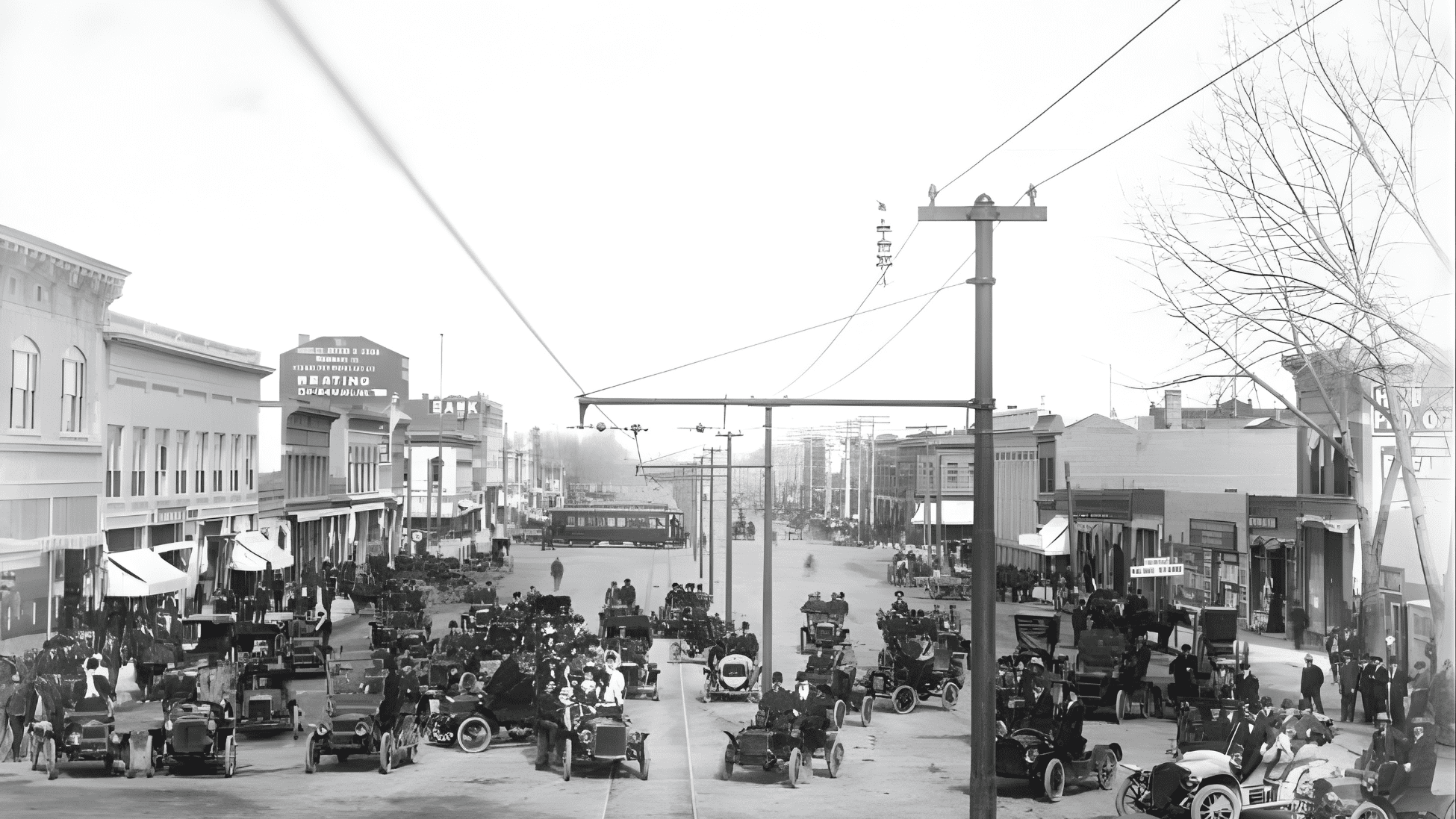
Fort Collins expanded steadily in the years after it was founded as more families moved there to find farmland, a new start, and opportunities. It became a city in 1873, six years after the army garrison closed.
In 1870, the Colorado Central Railroad built rails to Fort Collins, linking it to Denver and other places. This was a big turning point. This new way to get around turned the little village into a real economic center. It was now easier to send out agricultural goods and get supplies in, which led to population expansion and new companies.
The creation of the State Agricultural College in 1870, which subsequently became Colorado State University (CSU), was another important factor in growth. CSU is currently one of the biggest employers in the area and a key part of Fort Collins’ economy based on new ideas. The institution brought with it not just educational opportunities, but also a lot of researchers, scientists, and families that decided to settle down here.
Fort Collins stayed a quiet, conservative town until the early 20th century. Agriculture, religion, and Prohibition had a big impact on the town. Fort Collins really restricted the sale of alcohol from 1896 until 1969, even after nationwide Prohibition was lifted. The city would later become a hotspot for craft beer lovers, with more than 20 breweries now.
By the end of the 20th century, Fort Collins was becoming a center for technology and innovation, drawing in companies like Hewlett-Packard, Intel, and Broadcom. Fort Collins became known as one of the greatest locations to live in Colorado and the whole U.S. because it has a booming population, award-winning public schools, a highly educated workforce, and easy access to the outdoors.
Landmarks from the past
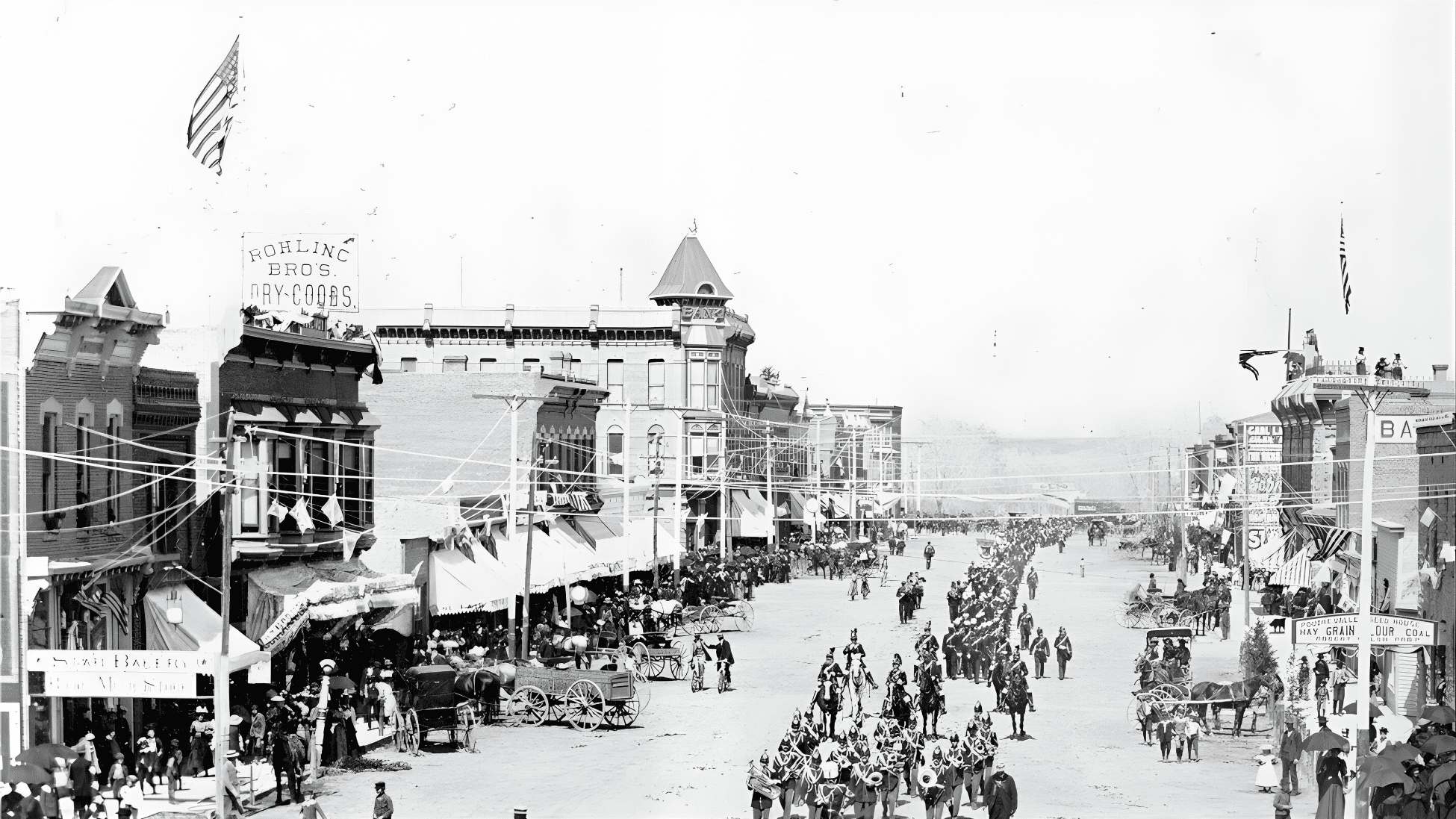
You will quickly see how effectively Fort Collins has kept its history if you move there. Old Town Fort Collins, which is the center of the city’s historic downtown, is a great example. The area inspired Disneyland’s Main Street, USA, because of its maintained architecture and beautiful, accessible layout. Many of the buildings here are from the 1800s and early 1900s.
Live music, festivals, farmers markets, and community events happen often at Old Town Square. Cobblestone streets, old storefronts, and vintage signage bring the past to life. New boutiques, breweries, and restaurants, on the other hand, give it a new vigor.
Some historical sites in Fort Collins that you should not miss are:
Avery House – This Victorian house, built in 1879, shows how a well-known Fort Collins family lived. It is now a museum that anybody can visit.
The Fort Collins Water Works, built in 1879, was the city’s first public water delivery plant. It is still intact and gives visitors a look into the city’s early infrastructure.
The Discovery Museum in Fort Collins This interactive museum has exhibits on everything from indigenous culture to the music scene and beer-making. It mixes local history and science.
The Armstrong Hotel is a wonderfully renovated hotel from 1923 in Old Town that still serves customers today. It is a great example of the time when Fort Collins’ first downtown boom happened.
Colorado State University’s Oval and Historic Buildings: The CSU campus is full of historical sites and green spaces, which tie the institution to the city’s intellectual history.
Fort Collins is plenty of history, whether you’re walking past ancient stores in ancient Town or touring the beautiful CSU campus. Many communities still show where they came from, from bungalows built in the early 1900s to ranch homes built in the middle of the century to contemporary developments that look like older types.
Moving to Fort Collins: The Past and the Present
Knowing about Fort Collins’s long history will help you understand why so many people want to move here. The city has always been a place where people may find work, be strong, and progress in a smart way. Its military past gave place to a prosperous farming economy. Its schools encouraged new ideas and made everyone feel welcome. And since it cares about preserving its history, the city never forgets who it is while it grows.
Fort Collins is a lively, forward-thinking city with a long history. You’re joining a community that mixes old and new, whether you’re relocating here for the trails, the breweries, the schools, or the startup culture.
If you’re thinking about moving to Fort Collins, we’d love to help you look around neighborhoods, discover the right house for you, and get used to a way of life that really shows off the character of this amazing community.
~ By The Levi Group Brokered by Real ~
Your Personal Guide to Fort Collins

Thank you for visiting our blog dedicated to what it is like to live in Fort Collins Co. We created all this content with you in mind. This site has the most comprehensive content about Fort Collins Colorado. If you have any questions please don’t hesitate to reach out to us. We would love to visit with you and answer any questions you have.

Jason Levi
The Levi Group Brokered by REAL, LLC
Call Me: 970-426-8916
Text Me: 970-426-8916
Email Me: jason@thelevigroup.net
Stay Up to Date – Subscribe & Follow
Youtube Channel: @LeviGroupNoco
Facebook: Jason Levi
Instagram: @noco.jas
POPULAR POSTS
VIDEO ABOUT FORT COLLINS COLORADO
INSPIRATIONAL QUOTE
THINGS TO DO | LIVING IN FORT COLLINS | FOOD & LODGING
The Fort Collins Experience is your comprehensive guide to everything Fort Collins Colorado. Whether you’re searching for the best things to do, researching schools and neighborhoods, exploring local breweries and outdoor adventures, hunting for great restaurants and hotels, or staying up to date on Fort Collins real estate trends — you’ll find it all here in one place. This site was built with a single goal: to give you a genuine, firsthand understanding of what it’s really like to live in Fort Collins. As a longtime resident and full-time Realtor, I’ve walked these streets, explored these communities, and experienced every corner of this city. I share that local insight so you don’t have to spend hours piecing together scattered information like I once did. Whether you’re relocating, investing, raising a family, or simply curious, The Fort Collins Experience will show you why so many people are drawn to northern Colorado. Fort Collins isn’t just a location — it’s a lifestyle shaped by nature, community, creativity, and opportunity. If you’re ready to discover what makes Fort Collins Colorado one of the most desirable places to live in the state, you’re exactly where you need to be.